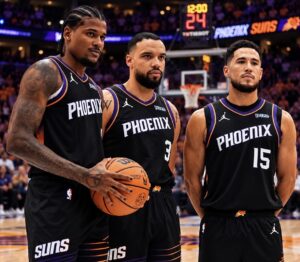
The stage is set for one of the most intriguing championship matchups in recent WNBA history. The Golden State Valkyries and Atlanta Dream will meet in the 2026 WNBA Finals beginning Saturday, October 17, with both franchises pursuing their first league championship.
This is more than a championship series between two talented basketball teams. It represents two organizations that have taken different paths toward the same destination.
Golden State has transformed itself from an expansion franchise into a championship contender in only its second season. Atlanta, meanwhile, has spent years attempting to establish itself among the WNBA’s elite and now has another opportunity to capture the championship that has eluded the franchise.
The matchup features two outstanding defensive teams, experienced coaching leadership, talented perimeter players, and frontcourt competitors capable of changing the outcome of games without necessarily dominating the scoring column.
Golden State enters with home-court advantage and a 3-0 regular-season record against Atlanta. However, the Dream arrive with momentum after eliminating the New York Liberty, while the Valkyries earned their championship opportunity by sweeping the defending champion Las Vegas Aces.
The question entering this best-of-seven series is straightforward: Can Golden State’s defensive structure and remarkable depth overcome Atlanta’s physicality, offensive firepower, and rebounding?
The answer could depend on which team adjusts faster when its preferred style of basketball is taken away.
Golden State Valkyries: From Expansion Team to Championship Contender
What Golden State has accomplished under head coach Natalie Nakase is one of the remarkable developments of the 2026 WNBA season.
The Valkyries finished the regular season 32-12, earning the No. 2 playoff seed while establishing themselves as the league’s top defensive team.
Rather than building an identity around one dominant scorer, Golden State has developed a collective approach that emphasizes defensive communication, disciplined rotations, offensive movement, and contributions throughout the roster.
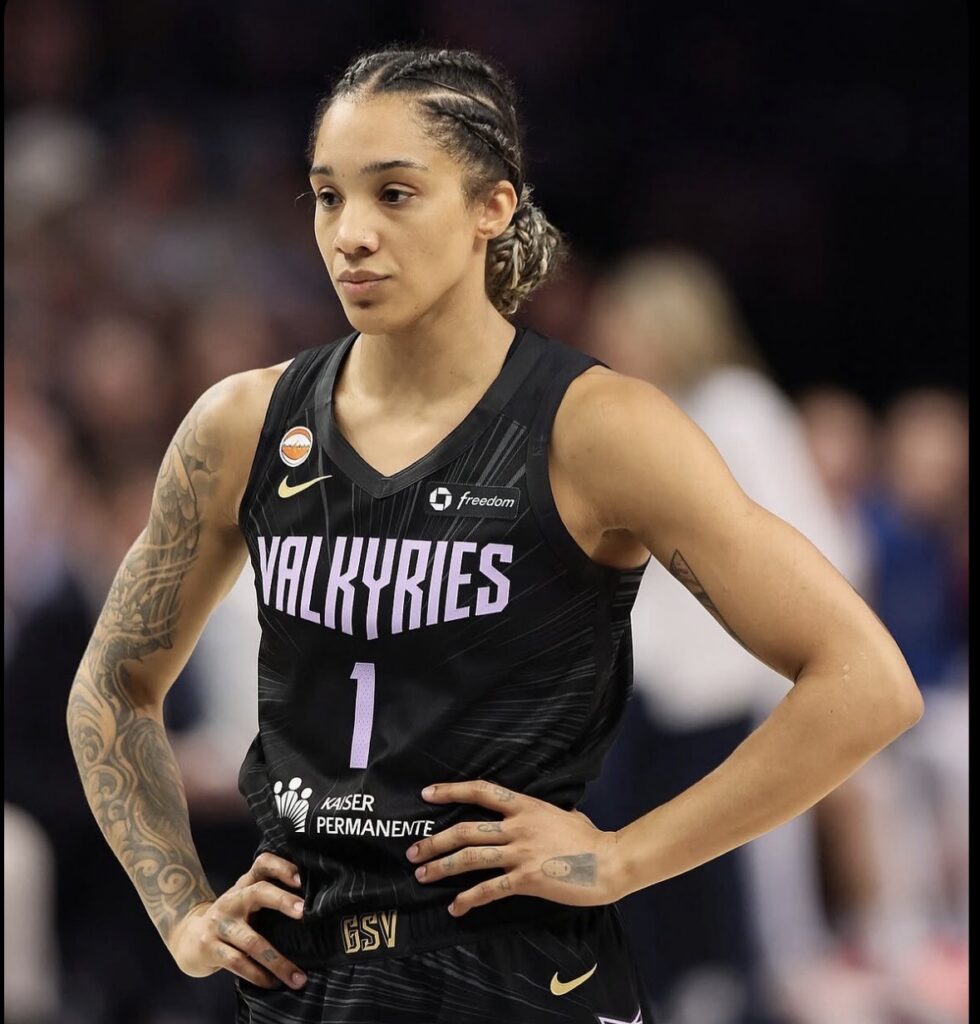
Gabby Williams has emerged as the centerpiece of that system.
Williams provides an unusual combination of scoring, passing, defensive versatility, and leadership. Her ability to defend multiple positions makes her particularly valuable in a championship series against Atlanta’s collection of offensive weapons.
During the postseason, Williams has elevated her offensive production while maintaining the defensive intensity that defines her game.
Veronica Burton gives Golden State another outstanding perimeter defender and an intelligent offensive organizer. Her ability to pressure ball handlers, control tempo, and make timely decisions provides stability.
Kayla Thornton supplies toughness, physical defense, and timely scoring. Kiah Stokes brings championship experience, interior defense, and rebounding.
Meanwhile, Tiffany Hayes, Janelle Salaün, and Kaitlyn Chen give Nakase valuable options when she needs to change the pace or offensive structure.
Golden State’s greatest advantage may not be its starting lineup. It could be its ability to maintain intensity regardless of which five players are on the floor.
That becomes especially important in a potentially seven-game championship series.
Atlanta Dream: A Franchise Seeking Its First Championship
Atlanta’s appearance in the Finals represents another significant step in the franchise’s development under head coach Karl Smesko.
The Dream finished the regular season 30-14 and established themselves as one of the league’s most dangerous teams on both ends of the floor.
Atlanta’s roster offers an interesting combination of perimeter shot creation, defensive pressure, interior physicality, and veteran experience.
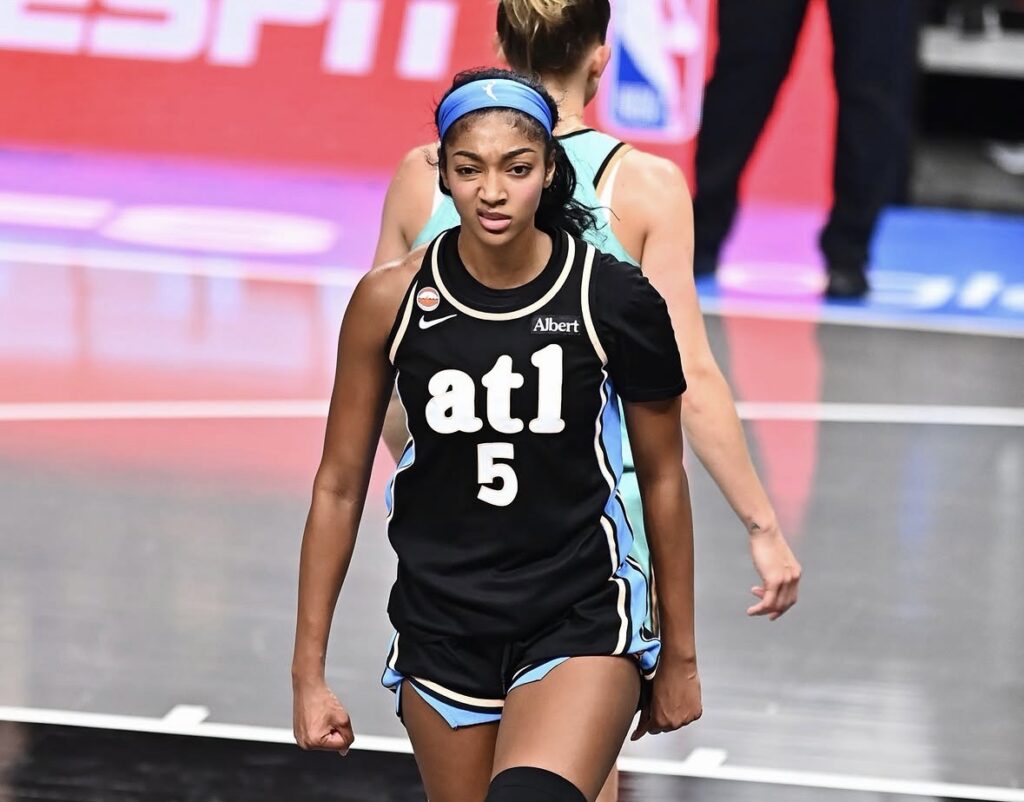
Angel Reese has become a central figure in the Dream’s defensive identity.
The 2026 Defensive Player of the Year provides relentless rebounding, interior activity, and the ability to disrupt possessions through positioning and effort.
Rhyne Howard is one of Atlanta’s most dangerous offensive weapons. Her perimeter shooting, ability to create shots, and defensive instincts make her a player Golden State cannot afford to overlook.
Jordin Canada provides another important dimension through her speed, ball handling, and ability to create scoring opportunities for teammates.
Allisha Gray’s health will be one of the biggest storylines entering the Finals. The talented guard suffered a left-hand injury during the semifinals, creating uncertainty surrounding her availability and effectiveness.
Atlanta has also benefited from the veteran presence of DeWanna Bonner, whose playoff experience, defensive versatility, and scoring ability provide another dimension.
The Dream are capable of winning games in different ways.
They can create offense through defensive pressure, attack in transition, generate second-chance opportunities, or rely on their perimeter players to make difficult shots late in games.
Against Golden State, that versatility will be tested.
Five Matchups That Could Decide the 2026 WNBA Finals
1. Gabby Williams vs. Rhyne Howard: The Perimeter Battle
One of the most fascinating aspects of this series will be how Golden State uses Williams against Atlanta’s perimeter scoring threats.
Howard possesses the shooting ability to change the momentum of a game within minutes. When she finds a rhythm from beyond the arc, Atlanta’s offense becomes significantly more difficult to defend.
Williams, however, has the lateral quickness, length, and defensive instincts to challenge Howard’s preferred scoring opportunities.
Golden State will likely use multiple defenders against Howard rather than relying exclusively on Williams.
The key will be preventing Howard from receiving comfortable catches and creating clean shooting opportunities.
On the other end, Atlanta must account for Williams as both a scorer and playmaker.
If Williams consistently gets into the paint, she can create opportunities for Golden State’s perimeter shooters and interior finishers.
The Hoop Post analysis: Golden State has the defensive personnel to make Howard work for her points, but Atlanta must avoid allowing Williams to dictate the game at both ends.
2. Angel Reese vs. Kiah Stokes: Rebounding and Interior Control
Championship basketball often comes down to possessions that never appear in highlight packages.
A defensive rebound, a contested offensive board, or a timely box-out can determine the outcome of a close game.
That makes the battle between Reese and Golden State’s interior defenders particularly important.
Reese has established herself as an elite rebounder whose energy creates additional offensive opportunities.
Stokes brings size, experience, defensive discipline, and an understanding of positioning.
Golden State cannot afford to allow Reese to consistently generate second-chance scoring opportunities.
At the same time, Atlanta must prevent the Valkyries from controlling the defensive glass and immediately initiating their transition offense.
This matchup will involve more than individual rebounding totals.
It will be about which team establishes physical position, controls the paint, and wins the effort plays.
The Hoop Post analysis: Atlanta has the potential to gain an advantage on the offensive glass, but Golden State’s collective rebounding discipline could limit that strength.
3. Veronica Burton vs. Jordin Canada: Who Controls the Tempo?
The point guard battle could become one of the most influential matchups in the entire series.
Burton represents Golden State’s controlled, disciplined approach.
Canada provides Atlanta with speed, creativity, defensive aggression, and the ability to push the basketball before opponents establish their defensive positioning.
Canada’s ability to attack gaps could force Golden State into difficult defensive rotations.
However, Burton’s perimeter pressure and anticipation could disrupt Atlanta’s offensive rhythm.
Both players are capable of affecting games without needing to score 20 points.
The important question is which guard will control the game’s pace.
If Canada consistently gets Atlanta into transition, the Dream can create scoring opportunities before Golden State organizes its defense.
If Burton slows Atlanta’s initial attack and forces longer possessions, the advantage could shift toward the Valkyries.
The Hoop Post analysis: This matchup could determine whether the Finals become a fast-paced offensive series or a possession-by-possession defensive struggle.
4. Golden State’s Bench vs. Atlanta’s Starting Unit
Depth could become Golden State’s biggest advantage.
The Valkyries finished the regular season with the league’s most productive bench, while Atlanta relied more heavily on its starting lineup.
That contrast creates an important coaching decision.
Nakase can use her reserves to maintain defensive pressure, increase the pace, and challenge Atlanta’s starters with fresh legs.
Salaün provides offensive scoring ability, Hayes contributes veteran shot creation, and Chen offers additional ball handling and movement.
Atlanta’s challenge will be maintaining offensive consistency when its leading players need rest.
Bonner’s presence provides valuable flexibility, but the Dream must find enough production throughout their rotation to avoid prolonged scoring droughts.
The Hoop Post analysis: If the series extends to six or seven games, Golden State’s depth could become increasingly important.
5. Allisha Gray’s Availability: Atlanta’s Biggest Unknown
Gray’s injury introduces an important variable into the championship equation.
When healthy, she provides Atlanta with another dependable perimeter scorer and a player capable of creating offense when defensive pressure limits Howard.
Without Gray at full strength, Golden State can focus more defensive attention on Howard, Canada, and Atlanta’s interior attack.
That would place additional responsibility on Bonner and the rest of the Dream’s rotation.
Atlanta has already demonstrated that it can win important games without Gray, but Golden State presents a different defensive challenge.
The Valkyries excel at limiting efficient scoring opportunities and forcing opponents into difficult possessions.
Gray’s ability to shoot, handle the ball, and create separation could be especially valuable late in close games.
The Hoop Post analysis: Gray does not necessarily need to lead Atlanta in scoring, but her availability could determine how difficult the Dream are to defend.
Coaching Chess Match: Natalie Nakase vs. Karl Smesko
The coaching matchup deserves significant attention.
Nakase has established a defensive culture built around preparation, accountability, communication, and flexibility.
Golden State rarely relies on one defensive solution for an entire game.
The Valkyries can change matchups, apply perimeter pressure, and adjust their rotations depending on the opponent’s offensive personnel.
Smesko brings an offensive philosophy that emphasizes spacing, movement, efficient shot selection, and attacking defensive weaknesses.
His challenge will be finding ways to create clean offensive opportunities against a Golden State defense that consistently takes away opponents’ preferred options.
Atlanta must avoid becoming predictable.
If the Dream rely too heavily on individual shot creation, Golden State’s defenders can load up against primary scorers.
However, if Atlanta moves the basketball quickly, forces defensive rotations, and attacks the offensive glass, the Dream can create opportunities that challenge Golden State’s structure.
For Nakase, the priority will be limiting Atlanta’s transition opportunities while maintaining offensive balance.
For Smesko, the objective will be preventing Golden State from controlling the pace and turning the series into a defensive grind.
Adjustments between games will be just as important as the original game plans.
Three Statistical Areas That Will Determine the Champion
Turnovers and Points Off Turnovers
Both teams feature outstanding perimeter defenders capable of forcing mistakes.
Atlanta is particularly dangerous when defensive pressure creates transition scoring opportunities.
Golden State must avoid careless passes and unnecessary risks against aggressive defenders.
The team that protects the basketball while generating extra possessions will have a major advantage.
Rebounding and Second-Chance Points
Reese’s rebounding ability gives Atlanta a significant weapon.
Golden State must treat defensive rebounding as a five-player responsibility rather than leaving the job entirely to its frontcourt.
Atlanta, meanwhile, must prevent Golden State from converting missed shots into immediate transition opportunities.
Fourth-Quarter Execution
The regular-season meetings suggest this series could feature several close finishes.
In those moments, offensive spacing, free-throw shooting, defensive communication, and decision-making become critical.
Both teams have players capable of making important plays, but the championship could ultimately be decided by which team executes its offense more efficiently during the final five minutes.
What the Analysts Are Watching
The national conversation surrounding this series reflects just how closely matched these teams appear.
Some analysts favor Atlanta because of its defensive physicality, rebounding, scoring versatility, and impressive postseason performance.
Others believe Golden State’s depth, defensive consistency, and home-court advantage provide the stronger championship formula.
Former WNBA stars and championship analysts Sue Bird and Cheryl Miller have also highlighted the competitive nature of this matchup, with Miller predicting that neither team will sweep the series.
The central debate is whether Atlanta’s star-driven offense can overcome Golden State’s more balanced rotation.
There is also the question of experience.
Atlanta has veteran players who understand the demands of postseason basketball, while Golden State has several players with championship backgrounds despite the franchise itself being only two seasons old.
The Finals will test not simply individual talent, but which team’s identity holds up under pressure.
What Golden State Must Do to Win the Championship
Golden State has four important objectives.
First, the Valkyries must continue defending at an elite level without allowing Atlanta to dominate the offensive glass.
Second, they must force the Dream into difficult half-court possessions and prevent Canada from repeatedly creating transition opportunities.
Third, Golden State needs consistent offensive contributions beyond Williams.
Finally, Nakase must use the team’s depth to keep defensive pressure high throughout the series.
Golden State does not need to produce spectacular offensive performances every night.
It needs to consistently control the possessions that decide close games.
What Atlanta Must Do to Win the Championship
Atlanta’s path requires a different approach.
The Dream must establish their physical presence early and use Reese’s rebounding to create additional opportunities.
Howard needs to remain aggressive while avoiding forced shots against Golden State’s defensive pressure.
Canada must control the pace and create scoring chances through penetration.
Atlanta also needs productive minutes from Bonner and, if available, Gray.
Most importantly, the Dream must find ways to score efficiently when Golden State prevents transition opportunities.
Atlanta cannot depend exclusively on athleticism and individual talent.
Winning this series will require offensive patience, defensive discipline, and timely adjustments.
The Hoop Post Prediction: Golden State Valkyries in Six Games
This championship matchup has the ingredients for a competitive and physical series.
Atlanta possesses enough talent, defensive intensity, and offensive versatility to win the championship.
Reese can influence games through rebounding and defensive activity. Howard can deliver explosive scoring performances, while Canada can create problems with her speed and playmaking.
However, Golden State enters with several advantages that become increasingly important over a long series.
The Valkyries have home-court advantage, a deep rotation, an outstanding defensive identity, and a versatile leader in Williams.
Golden State also demonstrated its ability to handle championship-level pressure by eliminating Las Vegas.
The most convincing argument for the Valkyries is their ability to win without depending on one specific offensive formula.
When Williams faces heavy defensive attention, Golden State has other players capable of contributing.
When the offense struggles, its defense can keep games within reach.
Atlanta will make this difficult, particularly if Gray returns and provides additional scoring.
But over six games, Golden State’s combination of depth, defensive consistency, and late-game execution gives the Valkyries a slight advantage.
Predicted series result: Golden State defeats Atlanta, 4-2.
Projected Finals MVP: Gabby Williams.
Williams has the opportunity to become the defining player of this championship series because of her ability to influence scoring, passing, defensive matchups, and critical possessions.
The Hoop Post Final Take
The 2026 WNBA Finals represent an important moment for both franchises and the league.
Golden State is attempting to complete one of the fastest rises from expansion team to champion in professional basketball.
Atlanta is pursuing the first championship in franchise history after years of building toward this opportunity.
Both teams have earned their place through defensive excellence, strong coaching, and impressive postseason performances.
While individual stars will command attention, this series may ultimately be decided by the less celebrated details of championship basketball: defensive rotations, rebounding position, bench production, turnovers, and execution under pressure.
The Valkyries have the depth and defensive identity to finish their remarkable journey.
The Dream have the physicality and offensive weapons to challenge that prediction.
One franchise will make history.
And when the final buzzer sounds, the 2026 WNBA Finals could be remembered as a championship won through collective effort rather than individual dominance.
The Hoop Post’s championship pick: Golden State Valkyries in six games, with Gabby Williams earning Finals MVP honors.