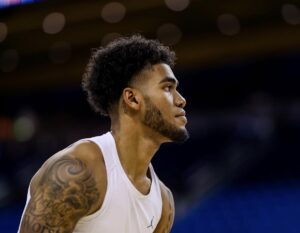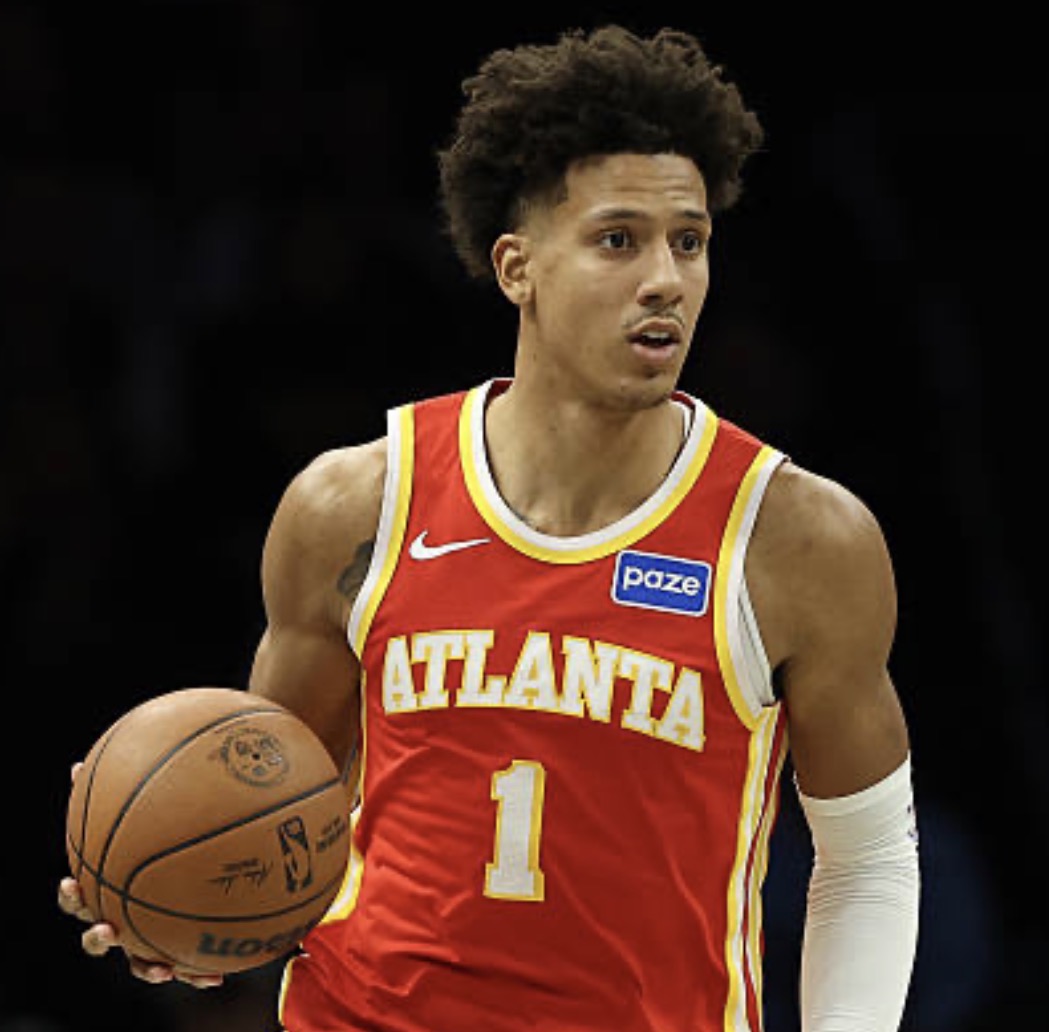
The Atlanta Hawks enter the 2026-27 NBA season looking much different from the team that began last season.
Atlanta finished the 2025-26 regular season at 46-36, good for sixth place in the Eastern Conference, before being eliminated by the New York Knicks in the first round of the playoffs. The Hawks showed enough during the regular season to establish themselves as a legitimate playoff team, but their postseason exit demonstrated that another step was needed.
The organization responded with an aggressive offseason.
Atlanta added considerably more perimeter depth and defense while continuing to build around Jalen Johnson, Dyson Daniels, Nickeil Alexander-Walker and Onyeka Okongwu. The Hawks also brought back veteran guard CJ McCollum and added several newcomers, including Lu Dort, Aaron Wiggins, Devin Carter and Ryan Nembhard.
Atlanta also invested in the future through the 2026 NBA Draft, selecting Kingston Flemings eighth overall and Zuby Ejiofor 23rd, while acquiring the draft rights to Henri Veesaar.
The result is one of the deepest Hawks rosters in recent years.
Jalen Johnson Is Now the Centerpiece
The direction of the franchise has become increasingly clear: this is Jalen Johnson’s team.
Johnson has developed from the 20th pick in the 2021 NBA Draft into the centerpiece of Atlanta’s young core. His combination of size, athleticism, rebounding, passing and transition ability gives the Hawks a forward capable of impacting almost every area of the game.
Atlanta no longer needs its offense to revolve around a traditional high-usage point guard. Johnson’s ability to initiate offense allows the Hawks to surround him with guards and wings who can shoot, defend, cut and attack closeouts.
That versatility could become one of Atlanta’s biggest strengths this season.
Johnson’s next challenge will be proving that he can lead a team beyond simply qualifying for the playoffs. If he takes another significant step, Atlanta’s ceiling changes considerably.
CJ McCollum Returns to Atlanta
One of Atlanta’s most important offseason decisions was keeping CJ McCollum.
McCollum joined the Hawks during the 2025-26 season in the trade that sent longtime franchise guard Trae Young to Washington. He quickly provided Atlanta with veteran scoring, shooting and leadership.
The Hawks went 27-14 with McCollum in the lineup last season and 19-6 when he started.
Atlanta extended McCollum for another season, giving the team an experienced scorer who can create offense late in games while helping a young roster navigate another playoff push.
At 34, McCollum isn’t Atlanta’s long-term answer in the backcourt. He doesn’t need to be.
His job is to help bridge the gap between Atlanta’s current playoff aspirations and the development of the younger guards behind him.
Hawks Add Lu Dort
One of Atlanta’s biggest offseason additions was Luguentz Dort.
The Hawks acquired Dort from the Oklahoma City Thunder in the three-team trade that sent former No. 1 overall pick Zaccharie Risacher to the Dallas Mavericks.
Dort gives Atlanta another physical perimeter defender who can handle difficult assignments against opposing guards and wings.
Pairing Dort with Dyson Daniels and Nickeil Alexander-Walker gives coach Quin Snyder numerous defensive combinations.
Atlanta can potentially put multiple high-level perimeter defenders on the floor simultaneously, something that could make the Hawks far more difficult to attack in a playoff series.
Dort also brings championship experience from his time with Oklahoma City.
Aaron Wiggins Brings Championship Experience and Shooting
Atlanta also acquired Aaron Wiggins from Oklahoma City in exchange for two future second-round selections.
Wiggins averaged 9.4 points during the 2025-26 season and has developed into a reliable role player who can contribute without dominating the basketball.
He also owns a career three-point percentage around 38 percent.
The Hawks don’t necessarily need Wiggins to become a major scorer. His value comes from his ability to fit alongside Atlanta’s primary creators, defend multiple positions and stretch the floor.
The addition also gives Atlanta another player who understands what is required to contribute to a championship-level team.
Ryan Nembhard Adds Another Playmaker
Ryan Nembhard arrived as part of the trade involving Risacher and Dort.
Nembhard averaged 6.6 points and 5.3 assists as a rookie last season and gives Atlanta another young ball-handler capable of organizing the offense.
With McCollum entering the later stages of his career, developing younger guards is important.
Nembhard may not immediately receive major minutes because Atlanta’s backcourt is extremely crowded, but his passing could eventually earn him a larger role.
Devin Carter Could Become an Important Addition
The Hawks acquired Devin Carter from Sacramento while giving up the draft rights to Alpha Kaba.
Carter brings toughness, rebounding and defensive potential to Atlanta’s backcourt.
The former first-round selection showed flashes of his offensive upside in Sacramento, including a 29-point performance late last season.
His immediate challenge is opportunity.
Atlanta has one of the deepest collections of guards in the Eastern Conference, meaning Carter will have to compete for minutes rather than simply being handed a rotation spot.
That competition should be healthy for the Hawks.
Kingston Flemings Is the Rookie to Watch
Atlanta used the No. 8 pick in the 2026 NBA Draft on Kingston Flemings, giving the Hawks another potential long-term backcourt piece.
Flemings entered the NBA after an outstanding freshman season at Houston in which he averaged 16.1 points, 5.2 assists, 4.1 rebounds and 1.5 steals while shooting efficiently from the field and three-point range.
At only 19 years old, Atlanta shouldn’t expect Flemings to immediately carry the offense.
The more interesting question is how quickly he can earn Snyder’s trust.
His ability to create for teammates gives Atlanta something different from several of its veteran guards. Learning alongside McCollum could also accelerate his development.
Flemings has the potential to become one of the most important players from Atlanta’s 2026 offseason.
Hawks Add Frontcourt Youth in Zuby Ejiofor and Henri Veesaar
Atlanta also selected Zuby Ejiofor with the 23rd overall pick.
The 6-foot-9 forward-center provides another athletic defensive option who can rebound and protect the paint. His immediate playing time may be limited, but his energy and defensive ability give him an opportunity to eventually work his way into the rotation.
The Hawks also acquired Henri Veesaar, the 52nd pick, from the Los Angeles Clippers.
The seven-footer played at North Carolina last season and gives Atlanta another developmental big man with intriguing offensive potential.
Between Ejiofor, Veesaar, Asa Newell and Onyeka Okongwu, the Hawks have assembled an interesting collection of young frontcourt players.
Atlanta’s Defensive Potential
The most intriguing part of this Hawks roster may be its defense.
Imagine Atlanta putting Dyson Daniels, Lu Dort and Nickeil Alexander-Walker on the floor together.
That is a tremendous amount of perimeter length, toughness and defensive versatility.
Daniels has already established himself as one of Atlanta’s most important defensive players. Alexander-Walker is coming off a breakout season in which he averaged a career-high 20.8 points while also providing strong two-way play.
Dort adds another defender who doesn’t need the basketball to make an impact.
The Hawks should have the ability to change matchups throughout games and make life difficult for opposing backcourts.
That could become especially valuable during the postseason.
Shooting and Bench Depth
Atlanta’s roster also includes several players capable of spacing the floor.
Buddy Hield remains one of the league’s most recognizable three-point specialists, while Corey Kispert gives Snyder another floor-spacing option.
Aaron Wiggins can shoot from outside, McCollum remains dangerous from beyond the arc and Alexander-Walker has developed into a reliable perimeter scorer.
The challenge may actually be finding minutes for everyone.
Atlanta could have one of the NBA’s most competitive training camps because established veterans and young players will be fighting for rotation opportunities.
Mouhamed Gueye’s Injury
One concern entering training camp is the status of Mouhamed Gueye.
Gueye underwent surgery during the offseason after suffering a fractured left foot. He is expected to miss the beginning of the season while recovering.
The injury temporarily removes another athletic frontcourt option from Snyder’s rotation.
His eventual return could strengthen Atlanta’s depth later in the season.
Who Did the Atlanta Hawks Lose?
The biggest departure is Zaccharie Risacher.
Atlanta selected Risacher with the first overall pick in the 2024 NBA Draft, but his time with the organization lasted only two seasons. The Hawks sent him to Dallas as part of the trade that brought Dort and Nembhard to Atlanta.
Moving a recent No. 1 overall selection is a significant organizational decision. Atlanta essentially chose established defensive help and additional backcourt depth over waiting to see how Risacher would develop.
Jonathan Kuminga also departed after Atlanta declined his option. He eventually signed with Minnesota.
Kuminga arrived from Golden State during the 2025-26 season and provided athleticism and scoring during his short stay with Atlanta, but he was not retained as part of the team’s long-term plans.
Atlanta also moved on from several players who were free agents or on short-term contracts as the roster was reshaped.
Atlanta Hawks 2026-27 Roster
· Jalen Johnson
· CJ McCollum
· Dyson Daniels
· Nickeil Alexander-Walker
· Luguentz Dort
· Aaron Wiggins
· Kingston Flemings
· Ryan Nembhard
· Devin Carter
· Buddy Hield
· Corey Kispert
· Onyeka Okongwu
· Asa Newell
· Jock Landale
· Zuby Ejiofor
· Henri Veesaar
· Mouhamed Gueye
· Tony Bradley
· Jalen Wilson
· Keaton Wallace
· Gabe Vincent
· RayJ Dennis
· Keshon Gilbert
Some of the players on the expanded offseason roster will be competing for roster and rotation positions as training camp approaches.
Atlanta Hawks Coaching Staff
Head Coach: Quin Snyder
Snyder remains in charge as Atlanta attempts to make the transition from playoff participant to legitimate Eastern Conference threat.
His assistant coaching staff includes:
· Ronald Nored
· Antonio Lang
· Jeff Watkinson
· Igor Kokoskov
· Ekpe Udoh
· Bryan Bailey
· Ryan Schmidt
· Sanjay Lumpkin
· Mike Brey
Assistant Coach for Player Development: Reggis Onwukamuche
The Hawks also made organizational changes outside Snyder’s staff.
Peter Dinwiddie was promoted to executive vice president of basketball operations, while Tim Bontemps joined the organization as a strategic advisor and Maxwell Kupchak was elevated to director of cap strategy and player personnel.
The College Park Skyhawks also made changes, with Ryan Silverstein becoming general manager and Sanjay Lumpkin taking over as head coach, while Lumpkin continues his role as a Hawks assistant.
What Must Go Right for Atlanta?
Three areas could determine Atlanta’s season.
First, Jalen Johnson must continue developing into a legitimate franchise-level player.
Second, Snyder needs to figure out his rotation.
Depth is an advantage until too many players are competing for the same minutes. McCollum, Daniels, Alexander-Walker, Dort, Flemings, Wiggins, Carter, Nembhard, Hield and Kispert cannot all receive major perimeter minutes every night.
Some difficult decisions are coming.
Third, Atlanta’s improved defensive personnel needs to translate into a better overall defense.
The Hawks averaged 118.5 points per game last season and led the NBA with 30.1 assists per game, but they also allowed 116.0 points per contest.
The offensive foundation is already there.
The defense may determine how high Atlanta can climb.
The Hoop Post Prediction
The Atlanta Hawks should be better in 2026-27.
The biggest reason isn’t one blockbuster acquisition. It is the overall construction of the roster.
Atlanta now has numerous players who can defend, shoot and contribute without needing the offense built around them. That should complement Johnson’s all-around game and allow Snyder to experiment with different lineups.
The Hawks also have an unusual combination of youth and experience. McCollum, Dort, Wiggins and Hield bring veteran experience, while Johnson, Daniels, Flemings, Newell, Ejiofor and Veesaar represent the present and future.
There are questions.
Who becomes Atlanta’s second primary scorer behind Johnson? How quickly does Flemings develop? Can McCollum remain productive throughout an 82-game schedule? Can Snyder keep everyone involved with so many guards and wings competing for minutes?
Those questions will ultimately determine whether Atlanta simply returns to the playoffs or becomes something more.
The Hoop Post prediction: 49-33, finishing between fourth and sixth in the Eastern Conference.
Atlanta should be capable of winning a first-round playoff series. If Johnson takes another major step and the Daniels-Dort-Alexander-Walker defensive combination performs as expected, the Hawks could become a difficult matchup for any Eastern Conference contender.
A trip to the Eastern Conference semifinals is a realistic expectation.
The Hawks aren’t yet in the championship-or-bust category, but the direction of the franchise is becoming increasingly interesting.
After winning 46 games last season, Atlanta’s next objective is clear.
Making the playoffs is no longer enough.
The 2026-27 season will be about proving the Hawks are ready to become a team capable of advancing once they get there.
Prediction: 49-33 | Eastern Conference Playoff Team | Ceiling: Eastern Conference Semifinals